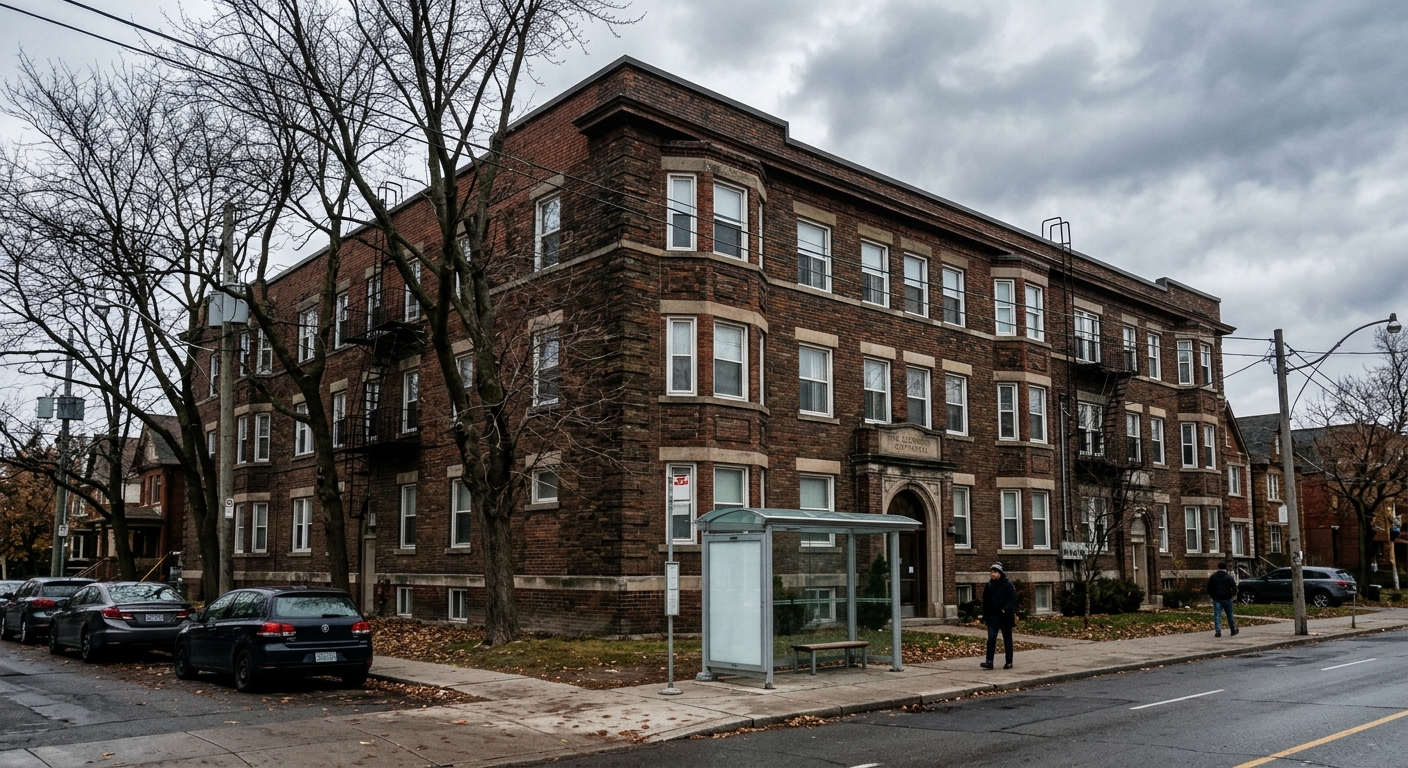
AI-generated illustration; not a photograph of the reported event.
- calendar_today November 18, 2026
Advocates Elected to Toronto City Council
Toronto’s newly elected city council features several prominent tenant and housing rights advocates, as well as supporters for the city’s homeless population. These new councillors, known for their extensive experience in outreach and activism, say they will apply their knowledge to the city’s enduring housing and homelessness challenges.
First-Hand Experience Meets Policy-Making
Diana Chan McNally, a former outreach worker now representing Parkdale-High Park, is among those bringing on-the-ground experience into municipal decision-making. McNally emphasized that homelessness results from systemic issues such as affordability and access to health care, rather than individual failings. She expressed a commitment to ensuring that the voices of Toronto’s homeless and low-income residents are reflected in policy decisions.
McNally, who served on the housing rights advisory committee established by city council in 2023, hopes to see the committee’s mandate renewed to continue advocating for those without property. "I think this is a great space in which we can continue to push forward, ensuring that people’s rights, for those who are out on the street who don’t own property, are actually taken care of," she said.
From Advocacy to Governance: A Balancing Act
Experts say the transition from advocacy to government brings new challenges. Cristine de Clercy, a political scientist at Trent University, noted that while activists may campaign for systemic change outside government, they must often compromise and navigate institutional constraints once elected. McNally acknowledged the distinction between advocacy and politics but expressed determination to maintain her progressive values, including a firm stance on housing rights.
Tenant Organizers Take Office
Chiara Padovani, another new councillor and a former tenants’ organizer, unseated a long-standing incumbent in York South-Weston. Having supported tenants in organizing rent strikes against what she described as unfair landlord practices, Padovani is poised to prioritize the enforcement of building standards and the advancement of tenant rights at city council. She highlighted her intention to propose bylaws to protect renters, such as curbing rent increases above the provincial guideline, known as Above Guideline Increases (AGI).
Padovani emphasized the city’s potential to take action for tenants, even though residential tenancy rights are primarily governed by the province. She credited Mayor Olivia Chow for supporting new bylaws restricting renovictions—landlord-initiated evictions associated with renovations—that can undermine rent control and affordability. "Tenant voices have been ignored by … so many in the city government," Padovani said. "I’m going to be taking you to task and I’ll be holding you accountable."
Prioritizing Housing Affordability and Supportive Measures
Curran Stikuts, newly elected in Toronto Centre, brings over 15 years of advocacy for renters and marginalized communities. With more than 70 per cent of the ward's residents renting, Stikuts prioritized housing affordability, support services, and protection against renovictions in his campaign. He emphasized the need for comprehensive support beyond simply providing shelter, highlighting the importance of wraparound care for those experiencing homelessness.
According to a report cited by Stikuts, homelessness in Toronto decreased by more than eight per cent between 2022 and 2025, in contrast to a provincial increase of nearly 18 per cent. Despite this progress, Toronto remains in a "homelessness emergency" due to ongoing affordability challenges, inadequate income support, and unmet health needs.
City Leadership and Ongoing Challenges
The municipal government, led by Mayor Olivia Chow, has invested in building more shelters and supportive housing, as well as eviction prevention programs. City officials report that 15,000 people have moved from shelters and encampments to permanent housing over the past two years, with 4,700 of these transitions occurring in 2025 alone.
The recently announced federal budget includes nearly $30 billion to fight homelessness nationally over the next decade. Stikuts noted the need for faster funding distribution to Toronto to address urgent needs and increase affordable housing supply.
Outreach leaders like Greg Cook from Sanctuary Ministries of Toronto cautioned that, despite a progressive council, significant progress will require community pressure and broader collaboration. While acknowledging the opportunity for advocacy within council, Cook remained skeptical about the extent to which newly elected politicians might act as allies for the homeless community.
Looking Ahead
Toronto’s new council members with backgrounds in advocacy and outreach bring renewed energy and perspective to city hall, aiming to address the entrenched issues of housing affordability and homelessness. While their success will depend on navigating institutional complexities and securing support beyond council chambers, their firsthand experience may offer much-needed insights into one of the city’s most pressing challenges.
Related coverage
Source: toronto.citynews.ca.