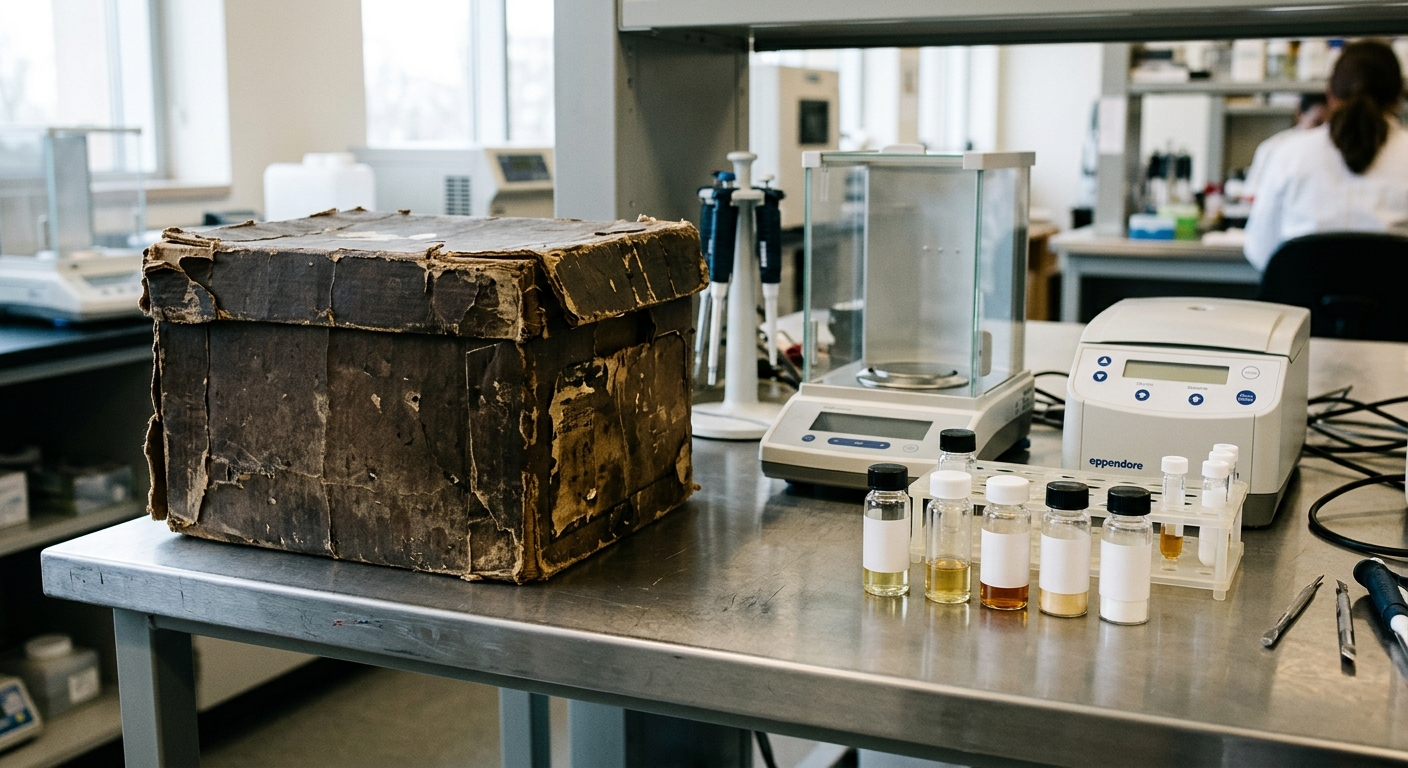
AI-generated illustration; not a photograph of the reported event.
- calendar_today November 11, 2026
Identification of Remains From 1992 Cold Case in Toronto
Toronto police have identified the remains of a man discovered over three decades ago, thanks to investigative genetic genealogy. The breakthrough brings closure to a case that had remained unresolved since 1992.
Discovery Near Queen and Church Streets
On September 15, 1992, first responders were dispatched to the area surrounding Queen and Church streets in Toronto following reports of an unresponsive man found on a church lawn. Emergency crews attempted to revive him but were unsuccessful. Authorities determined that the cause of death was not suspicious at the time.
Initial Challenges in Identification
The deceased man carried no personal identification, complicating efforts to ascertain who he was. Investigators checked for connections to missing persons reports and ran his fingerprints, but these efforts yielded no results. As Det. Const. Mike Kelly explained, investigators utilized the standard techniques available at the time, but the man's identity could not be established, and the case eventually became inactive.
Breakthrough Through Genetic Genealogy and DNA Profiling
More than thirty years later, advances in forensic science and dna technology offered another opportunity. The unidentified individual was selected for re-examination using genetic genealogy, an investigative method involving the comparison of DNA profiles through public-facing databases. On January 8, 2026, a DNA profile derived from the remains was uploaded, allowing for further investigation using modern techniques.
Use of Public Databases and Case Resolution
The implementation of investigative genetic genealogy techniques, including cross-referencing public databases, proved instrumental in identifying the man. This case highlights the evolving role of forensic science and dna technology in helping to resolve unsolved cases. Toronto police continue to use such innovative investigative methods as part of ongoing case resolution efforts.
Conclusion
The identification of the man found dead in 1992 marks a significant success for Toronto police and illustrates the potential of genetic genealogy to provide answers in cold cases that have otherwise remained dormant for years.
Related coverage
Source: globalnews.ca.