- calendar_today August 31, 2025
For years, people have wondered if and when WhatsApp would get ads. The popular messaging app has remained free from advertising since its launch in 2009, which means it’s never had a significant source of revenue outside of a subscription service it sells to businesses. Well, the wait is over. Ads are coming to WhatsApp — but only some of them.
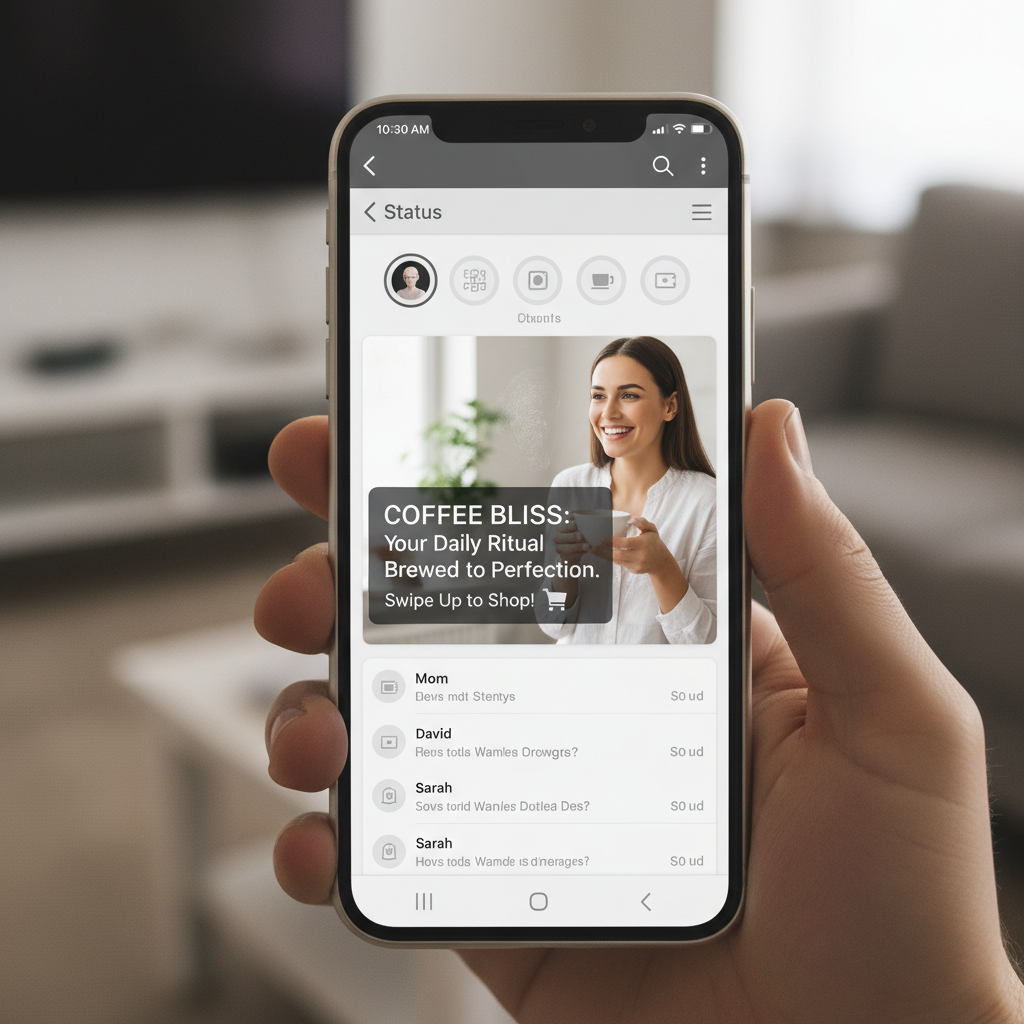
Instead of appearing in your chats, the ads will live in a section of the app called Updates. There, users share short-term status updates and follow Channels that focus on topics they’re interested in. Facebook (now known as Meta) says it’s keeping ads out of chats. For now.
So, who will see these ads?
These changes won’t affect most people. If you use WhatsApp only for sending messages to friends or participating in group chats, then you won’t notice any change at all. If you regularly use the Updates section of the app — to check status updates or follow interest-based Channels — then things are about to get more commercial.
WhatsApp estimates that more than 1.5 billion people visit the Updates section of the app every day. That’s a massive audience — one that advertisers will be keen to tap into. However, the app is being rolled out slowly.
Ads in Status, Promoted Channels, and Paid Subscriptions
What will these ads look like?
Three types of ads will be available. First, there are the ads in Status. These will appear in the same place as your friends’ 24-hour disappearing posts — much like how ads appear in Instagram Stories. While scrolling through your contacts’ statuses, you may soon see a picture, video, or message from a brand or company. You can also reply to these ads to start a conversation with the advertiser.
Second, WhatsApp is introducing a new type of Promoted Channel. This will allow admins and businesses to promote their content within the app. They can pay to push their content higher in the feed, potentially increasing the number of people who see it inside WhatsApp — without relying on outside platforms.
Third, WhatsApp is introducing paid subscriptions. Businesses and creators can charge for extra updates. So, for example, you could subscribe to a cooking channel to receive access to exclusive recipes or pre-release drops. It’s a new way for businesses to make money — and for WhatsApp to make more money.
This is key. Until now, WhatsApp has made most of its money through the Business Platform — a paid-for tool that allows companies to communicate with customers — and click-to-WhatsApp ads on Facebook and Instagram. However, Meta CEO Mark Zuckerberg has said that the company wants to go beyond this. During an investor call earlier this year, he said that the Business Platform is growing, but there’s still room to do more.
These changes are part of that strategy.
Alice Newton Rex, WhatsApp’s VP of Product, described the new feature as the “next natural evolution.” She explained that businesses have asked for more tools to grow their audience inside WhatsApp, and this is the direct result of that feedback.
But of course, no one wanted ads in WhatsApp.
This is a service that’s traditionally been praised for its privacy. So introducing ads is never going to be simple. However, Meta says it’s doing this carefully. The ads won’t use any of the content in your chats. Instead, they’ll be targeted based on broad categories — things like age, country code, language, and general location (so your city, not your address). WhatsApp will also look at how you use the Updates tab — such as what Channels you follow and what content you engage with.
You can also connect your WhatsApp account to Meta’s Accounts Center — a new feature that lets the company deliver more targeted ads based on your activity across Facebook, Instagram, and other Meta products. This is an optional setting that you can turn on or off at any time.
WhatsApp is also adding new transparency tools. You can see why you’re seeing a specific ad, hide ads from specific advertisers, or report an ad that you find inappropriate. The company says it’s working to make the experience as user-controlled as possible.
The changes aren’t surprising in the wider context. With Meta earning 98% of its revenue from advertising and paying $16 billion for WhatsApp in 2014, it was only a matter of time before the app was used to drive more ad dollars.
It’s not just Meta, either. Other platforms are doing the same. Discord introduced ads in 2020. Reddit has grown its ad business considerably in recent years, recently announcing its first-ever profit. With money getting tight, even platforms built on community and privacy are looking to advertisers for cash.
For now, this is a small change for WhatsApp users. However, it’s a sign of what’s to come. Ads have arrived — and while they’re currently restricted to the Updates tab for now, Meta is clearly setting the groundwork for something much bigger.