- calendar_today July 1, 2026
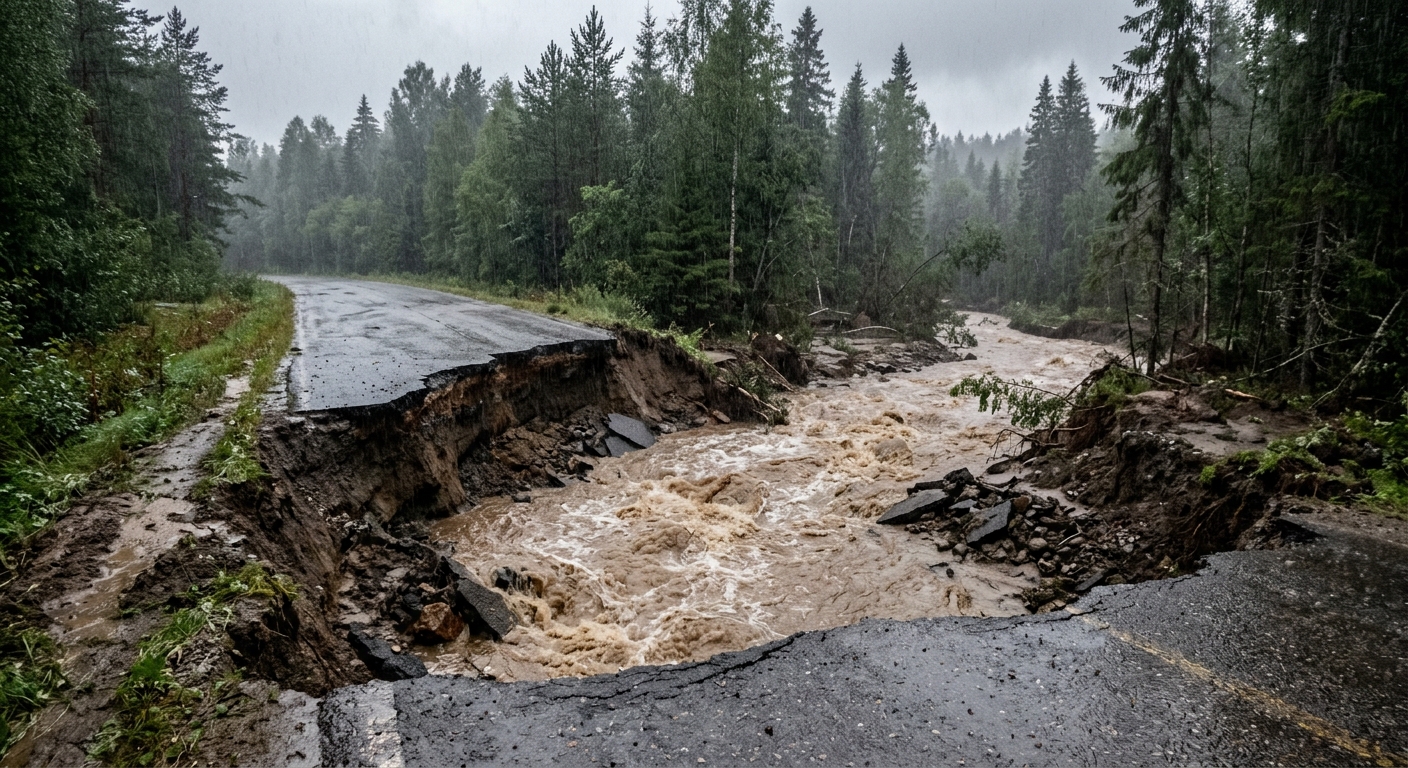
The Toronto Metro region is bracing for a significant surge in the mosquito population this July after weeks of record rainfall have created ideal conditions for mosquito breeding. Recent patterns of heavy, persistent rain have inundated the area, generating saturated soils and temporary water pools that serve as prime breeding grounds for mosquitoes—a concern now echoed by public health and city officials.
Rainfall Spurs Mosquito Surge Across the Region
Historically dry seasons had left many mosquito eggs dormant throughout the Toronto Metro region, but June’s sustained wet weather has reactivated these eggs, causing multiple overlapping generations of mosquitoes to emerge simultaneously. Recent data from mosquito traps positioned throughout urban and suburban zones have shown an alarming 1,200 percent rise in mosquito counts in just the past few weeks, underscoring the extent of the mosquito surge now underway.
Understanding Mosquito Breeding and Dormancy
The science behind this rapid increase is straightforward: dormant eggs, previously laid during drought years, can survive long periods in dry soil. When heavy rainfall finally arrives, as seen in June, these mosquito eggs hatch, and mosquito larvae quickly mature in standing water. This explosive resurgence has led to challenging public health conditions, as multiple generations of mosquitoes now overlap in the region’s environment.
Public Health Concerns and West Nile Virus
The expanded mosquito population poses potential health risks, particularly following the discovery of Culex pipiens—commonly known as the northern house mosquito—within Toronto Metro. This species is a known vector for West Nile virus, raising renewed vigilance from local health professionals. While the city continues to monitor for the virus, the majority of mosquito bites residents experience are attributed to Aedes vexans, a more familiar but still problematic pest.
City Intensifies Mosquito Control Efforts
Municipal authorities have responded by accelerating mosquito control strategies, targeting key breeding sites such as roadside ditches, ponds, and swampy parks. Teams are focusing treatment efforts on areas most affected by seasonal mosquito breeding, while residents are urged to play a proactive role by removing standing water from gutters, planters, and outdoor containers. These measures are critical to breaking the mosquito breeding cycle and reducing the risk of both mosquito bites and disease transmission.
Community Engagement and Preventive Measures
Public health campaigns across Toronto Metro emphasize the importance of personal responsibility in limiting exposure. Recommendations include wearing long sleeves and pants outdoors, especially at dawn and dusk, and using EPA-recommended repellents to deter bites. Community organizations are also distributing information about reducing backyard mosquito habitats and recognizing the symptoms of West Nile virus should they arise.
Mosquito Surveillance and Regional Implications
Continuous mosquito surveillance, involving extensive networks of mosquito traps, is enabling local authorities to rapidly assess trends and adapt mosquito control measures for maximum effectiveness. This collaborative approach, combined with public awareness initiatives, reflects a region-wide commitment to protecting Toronto Metro’s communities as summer progresses.
As the threat from an expanding mosquito population persists, local agencies and households alike are doubling down on prevention and control. Through regional cooperation and increased vigilance, Toronto Metro aims to mitigate the challenges of a mosquito-heavy summer while safeguarding public health and community well-being.