- calendar_today August 10, 2025
It’s a tense summer in 2025, and Toronto Metro 2—encompassing a wide belt of neighborhoods from North York to East York—is experiencing the ripple effects of the global trade war. The U.S.–China tariff standoff has strained international logistics, raised the cost of imports, and thrown global capital flows into disarray.
But instead of panic, Metro 2 businesses are responding with pragmatism. Local manufacturers, real estate players, and logistics firms are actively turning inward, toward domestic markets, local supply chains, and smart innovation to weather the storm.
SMEs Shift Toward Canadian Suppliers
Toronto Metro 2 is home to a thriving base of small and medium enterprises, many of which rely on imported parts from Asia. But with tariffs now increasing input costs by 12–18% (Canadian Chamber of Commerce, May 2025), entrepreneurs are actively looking for alternatives.
One Mississauga-based automotive parts supplier reports switching 70% of its materials to Canadian vendors in the past three months. “Margins are tight, but we’re cutting shipping delays and gaining more predictability,” says the operations director.
Local 3D printing startups in Scarborough and North York are also stepping up to offer rapid prototyping for industries struggling with long wait times from overseas suppliers. What was once considered a niche is now a lifeline.
Housing Developers Rethink Their Models
In contrast to the luxury-driven market downtown, Toronto Metro 2’s real estate landscape leans toward mid-rise condos, suburban homes, and mixed-use projects. But even here, the cost of construction materials has spiked, especially for items like imported tiles, HVAC systems, and aluminum panels.
Developers in areas like Eglinton East and Sheppard West report pausing new builds or renegotiating contracts. In response, some are exploring modular home solutions using locally sourced materials. Ontario-based prefab companies are gaining traction, and government subsidies for domestic construction products are starting to attract developer interest.
“We can’t afford to wait for policy clarity. If it’s made in Canada, it’s going on our supplier list,” says a project manager for a 300-unit residential development in Etobicoke.
Logistics Sector Grapples with New Realities
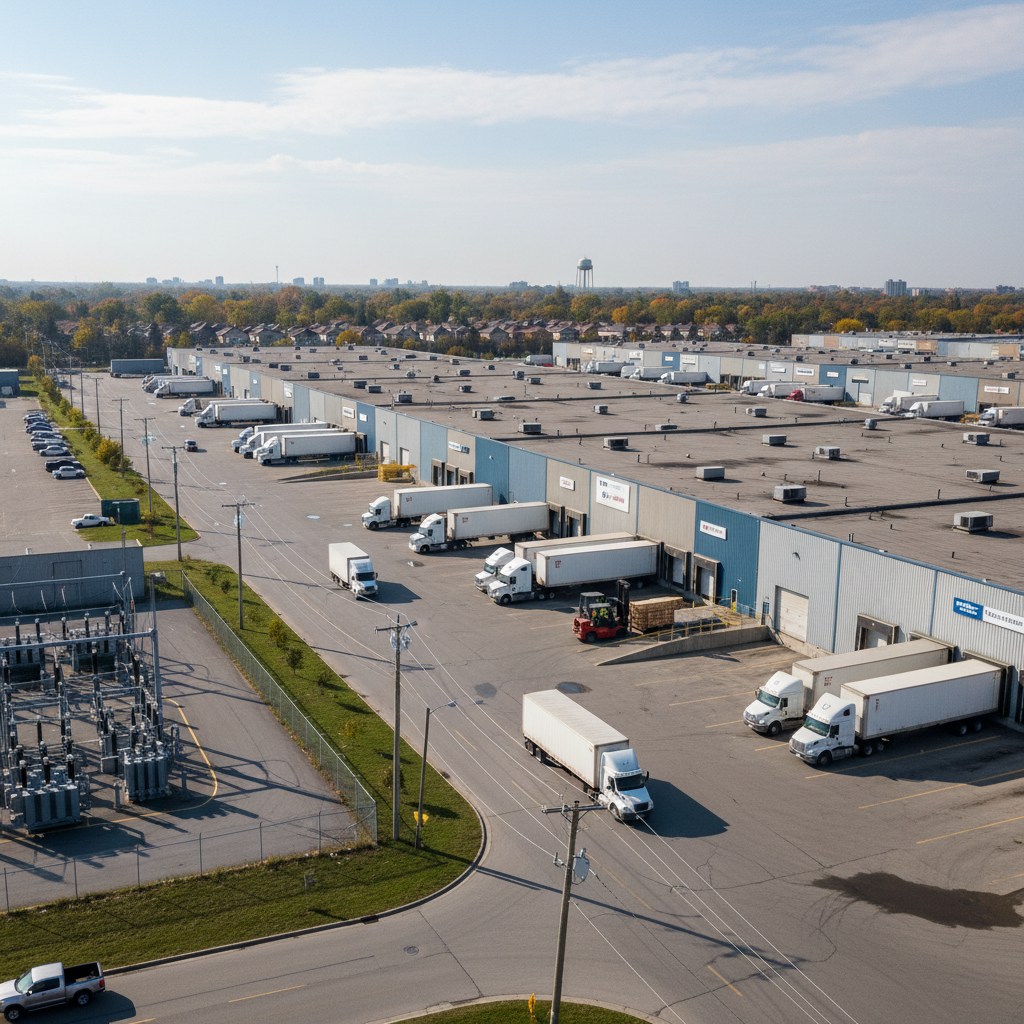
The Metro 2 area includes major logistics corridors connecting downtown with the 401 and 407 highways. With imported goods from Asia now costing more and taking longer to arrive, logistics firms are under pressure to optimize route planning and consolidate deliveries.
Several trucking companies operating in the Finch and Keele industrial zones are adopting telematics and AI-powered fleet management tools to reduce idle time and fuel costs. Some are even partnering with cross-border brokers to find tariff workarounds by rerouting through the U.S. and Mexico under regional agreements.
Meanwhile, warehouse space is in high demand. Vacancy rates in Metro 2’s industrial zones fell to 2.9% in Q2 2025 (CBRE), as e-commerce firms scramble for local fulfillment capacity to avoid overseas bottlenecks.
Investment Landscape: Defensive, But Not Defeated
Investors with holdings in Metro 2 have grown more cautious, but not retreated. There’s a notable shift away from speculative commercial developments toward long-term rental housing, warehousing, and logistics infrastructure.
Canadian real estate investment trusts (REITs) with Metro 2 assets saw a 4.8% dip in Q1 but stabilized by mid-May as rental yields remained strong. Tech incubators in North York continue to draw funding, especially those focused on supply chain automation, logistics analytics, and local manufacturing innovation.
Family offices and high-net-worth investors are pivoting to green infrastructure, mid-market rentals, and healthcare-related developments. These are seen as lower-risk sectors with domestic relevance.
Policy and Political Pressure Mount
Toronto Metro 2’s multicultural and industrial communities have made it a political flashpoint in the trade war debate. Business leaders are urging Ottawa to expand tax credits for Canadian manufacturers and fast-track approvals for domestic suppliers to step in where imports fail.
City officials are also lobbying for infrastructure investments that support regional growth, such as new GO Transit extensions, highway upgrades, and digital infrastructure to support smart logistics.
Immigration bottlenecks are another pain point. Several employers in Metro 2’s healthcare and tech sectors report delays in hiring international talent due to visa slowdowns linked to diplomatic tensions. Calls for provincial intervention are growing louder.
The Road Ahead: Local Strength in Global Uncertainty
Toronto Metro 2’s adaptability is being tested—but also validated. The region’s diverse economy, proximity to major transport routes, and deep talent pool give it an edge as Canada navigates international volatility.
Economists forecast moderate growth of 1.6% for Metro 2 in 2025—a dip from previous years but still healthier than many global peers.
The key strategies being embraced:
- Shift to local suppliers and modular construction
- Digital transformation in logistics and fleet management
- Renewed focus on residential and healthcare infrastructure
- Venture funding for domestic tech and AI solutions
Whether you’re an investor, developer, or logistics leader, Toronto Metro 2 remains a critical market. Staying local may just be the global edge needed in 2025.
Subscribe to Metro 2 Business Monitor for the latest trade war updates, local investment signals, and policy shifts affecting your bottom line.