- calendar_today August 28, 2025
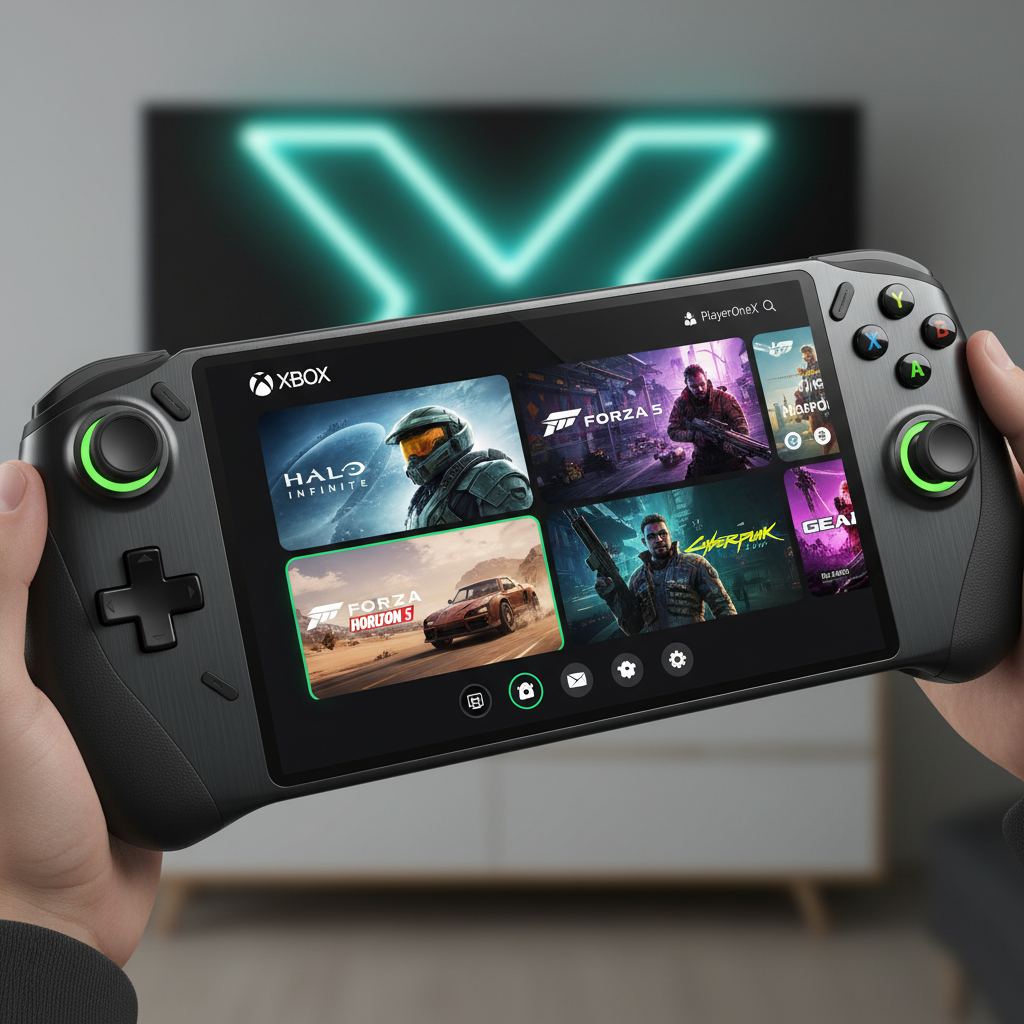
Microsoft is launching an Xbox-branded user interface tailored for Windows-based portable gaming devices to enter the handheld gaming market. Microsoft released a new Xbox-branded interface developed together with Asus for the ROG Xbox Ally which represents a custom version of the gaming handheld ROG Ally. The new UI replaces the classic Windows desktop-and-taskbar layout with a full-screen tile-based interface that works well with touchscreens and game controllers to deliver a more efficient console-style gaming experience.
Microsoft’s strategy represents an immediate response to Valve’s Steam Deck popularity that operates with SteamOS, a Linux-based platform. Through Proton compatibility layer which has improved significantly over recent years SteamOS enables running numerous Windows games. Proton enables Linux users to play Windows-developed games without needing a complete Windows operating system because it extends Wine project capabilities. Even though SteamOS does not offer support for every game and cannot replace Windows completely, it has attracted many gamers who prefer a gaming system with minimal overhead.
The new Xbox UI from Microsoft seeks to unite Windows’ wide game compatibility with the streamlined experience of console gaming interfaces. The company announced that the new UI will launch first on the ROG Xbox Ally with plans to extend support to additional ROG Ally handheld devices shortly. Other Windows handhelds will soon offer this experience starting next year. The system aims to deliver a gaming experience for compact devices through a Windows-based interface that combines console-like simplicity with full operating system capabilities.
The development of a handheld-compatible Windows mode has been ongoing for multiple years. Microsoft employees organized an internal hackathon in 2022 to resolve Windows’ limitations for handheld device use. The Windows Handheld Mode concept they presented includes features such as an intuitive touch interface and better controller support combined with increased visibility and usability. The new Xbox UI and the prototype show significant similarities although official confirmation linking them doesn’t exist.
Optimizing performance stands as a fundamental element of this project. Microsoft reports that the new UI reduces RAM consumption by several gigabytes while also decreasing energy use compared to the traditional Windows interface. Handheld devices benefit greatly from these enhancements because efficiency directly affects battery duration and game performance. Classic Windows handhelds such as the original ROG Ally depend on Asus’ Armoury Crate software to achieve a semi-console user experience at the expense of increased system overhead. Microsoft’s latest UI delivers equivalent functionality but operates more efficiently by reducing system overhead.
Users retain full access to Windows desktop environment but require manual action to start it. The method combines both systems to provide gamers with the option to switch between a simple game-focused interface and an extensive desktop environment based on their requirements. It offers the best of both worlds: This system provides both streamlined game interfaces and full Windows capabilities when necessary.
Microsoft’s entry into the handheld gaming market arrives at a critical time even though their entry was delayed due to their recent focus on artificial intelligence and cybersecurity for two years. SteamOS and Proton by Valve have evolved to function on multiple gaming platforms beyond the Steam Deck which now includes hardware from Asus. Linux achieved a significant improvement in desktop market share which exceeded 4% last year as a result of recent advancements.
The PC market remains dominated by Windows because its extensive compatibility with games and software has historically secured its position. Advancements in projects like Proton and platforms like SteamOS are starting to undermine Windows’ monopoly on the PC market. Users now have the option to play Windows games on different systems without being restricted to the Windows operating system which reduces Microsoft’s control over users. The growing complexity and resource demands of Windows might push users toward alternatives if these options continue to advance.
Microsoft’s development of a unique handheld interface indicates a strategic effort to maintain its market position against Valve’s influence. Microsoft needs to stay relevant because gamers now prioritize more flexible systems with better performance. The future role of Windows as the standard PC gaming platform depends on whether the new Xbox UI succeeds and users find their gaming needs met or turn to alternative platforms for improved handheld experiences.