- calendar_today April 20, 2026
The recent Nike ad controversy has resonated throughout the Toronto Metro running community after the company faced criticism for signage displayed along the Boston Marathon route. The ad, which read, “Runners Welcome. Walkers Tolerated,” drew immediate backlash for its messaging, prompting discussions about inclusivity and support for para athletes at major running events.
Boston Marathon Ad Sparks Debate in Toronto Metro
The Boston Marathon is internationally recognized not only as a premier athletic event but also as a celebration of marathon participation across all levels of ability. With the Toronto Metro region boasting a vibrant community of adaptive runners and disability advocacy groups, the implications of Nike’s signage were felt keenly among local stakeholders. Many criticized the ad for undermining the values of inclusive running and for potentially alienating athletes who rely on varied forms of movement to complete the marathon.
Para Athletes and Adaptive Runners Voice Concerns
Advocates and participants, both in Boston and Toronto Metro, voiced concerns that the sign promoted pace shaming and reinforced barriers for runners who do not fit the traditional mold. Para athletes, adaptive runners, and those who may walk or crawl portions of the marathon expressed frustration at messaging that appeared to judge or exclude certain forms of marathon participation. Leaders in disability advocacy across Toronto Metro underscored that true inclusivity means celebrating all types of movement, not just running at a specific pace.
Nike’s Response and Marketing Adjustments
Faced with growing criticism and pushback, Nike swiftly removed the controversial signage and issued a public statement. The company acknowledged that the marathon signage “missed the mark” and affirmed its intention to support the running community in all its diversity. The original sign was replaced with one that read, “movement is what matters,” reflecting a shift toward a more inclusive philosophy. This adjustment also speaks to a broader reassessment within Nike marketing, highlighting the importance of representing all athletes, regardless of ability or pace.
Historical Context: Previous Marketing Missteps
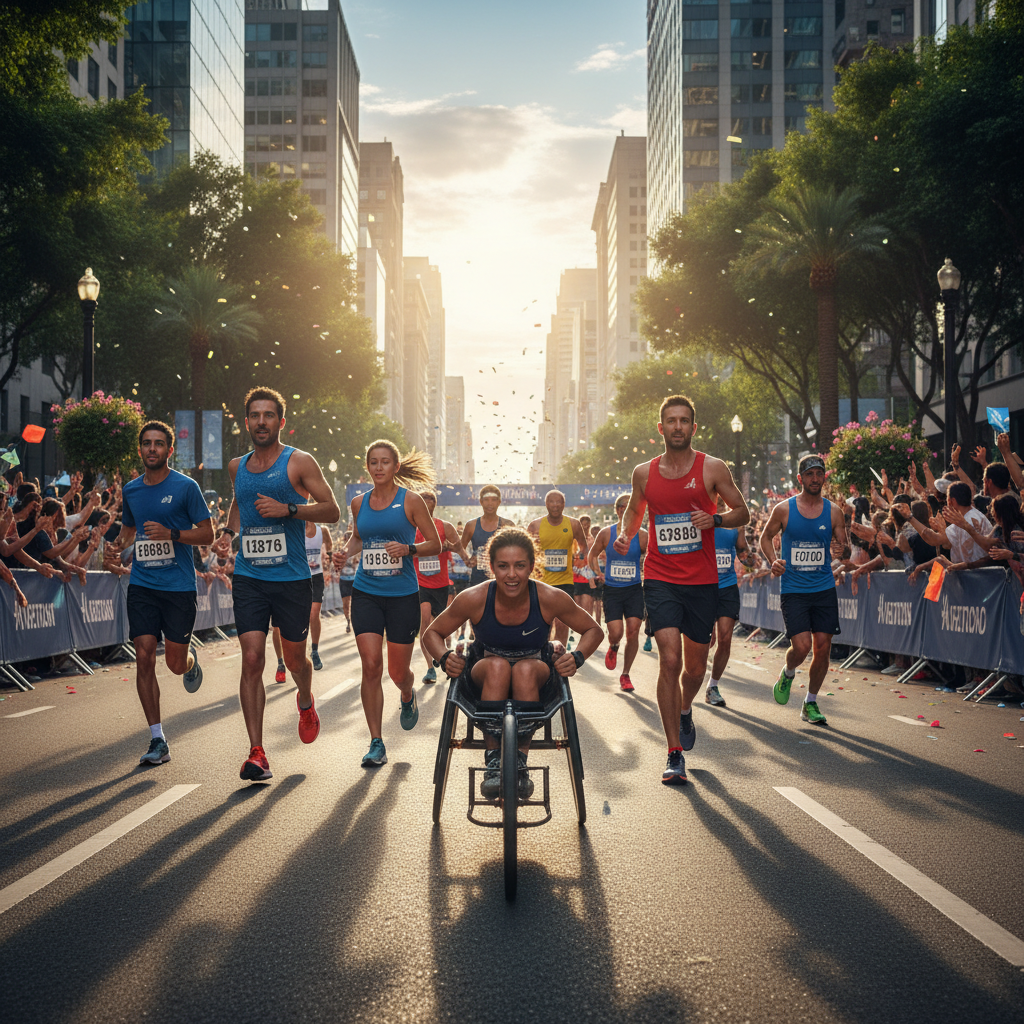
This incident adds to a series of prior Nike ad controversies, where messaging around inclusivity has not always met public expectations. As Toronto Metro’s community of runners and advocates becomes increasingly vocal, brands are being urged to consider the varied experiences and backgrounds within their audiences. The Boston Marathon, which welcomes close to 30,000 participants—including wheelchair, handcycle, and para athletics divisions—remains a symbol of diverse marathon participation and highlights the need for messages that unite rather than divide.
Regional Reflections and Broader Implications
The reaction within Toronto Metro underscores the importance of inclusive running at both local and international marathons. Local runners, event organizers, and disability advocacy groups have cited the incident as a learning opportunity for brands that serve the athletic community. The conversation has spotlighted the need to move beyond pace shaming and gatekeeping, ensuring everyone in the running community feels valued, whether participating in a local 5K or the prestigious Boston Marathon.
A Path Forward for Brands and Events
In light of recent events, organizers and sponsors of major races in Toronto Metro and beyond are re-examining their approaches to participant communications. Emphasis is now being placed on positive, inclusive messaging that welcomes every form of engagement with running. Nike’s public commitment to learning from this latest mistake has the potential to influence how companies approach the evolving nature of marathon participation and the celebration of movement in all its forms.