- calendar_today September 1, 2026
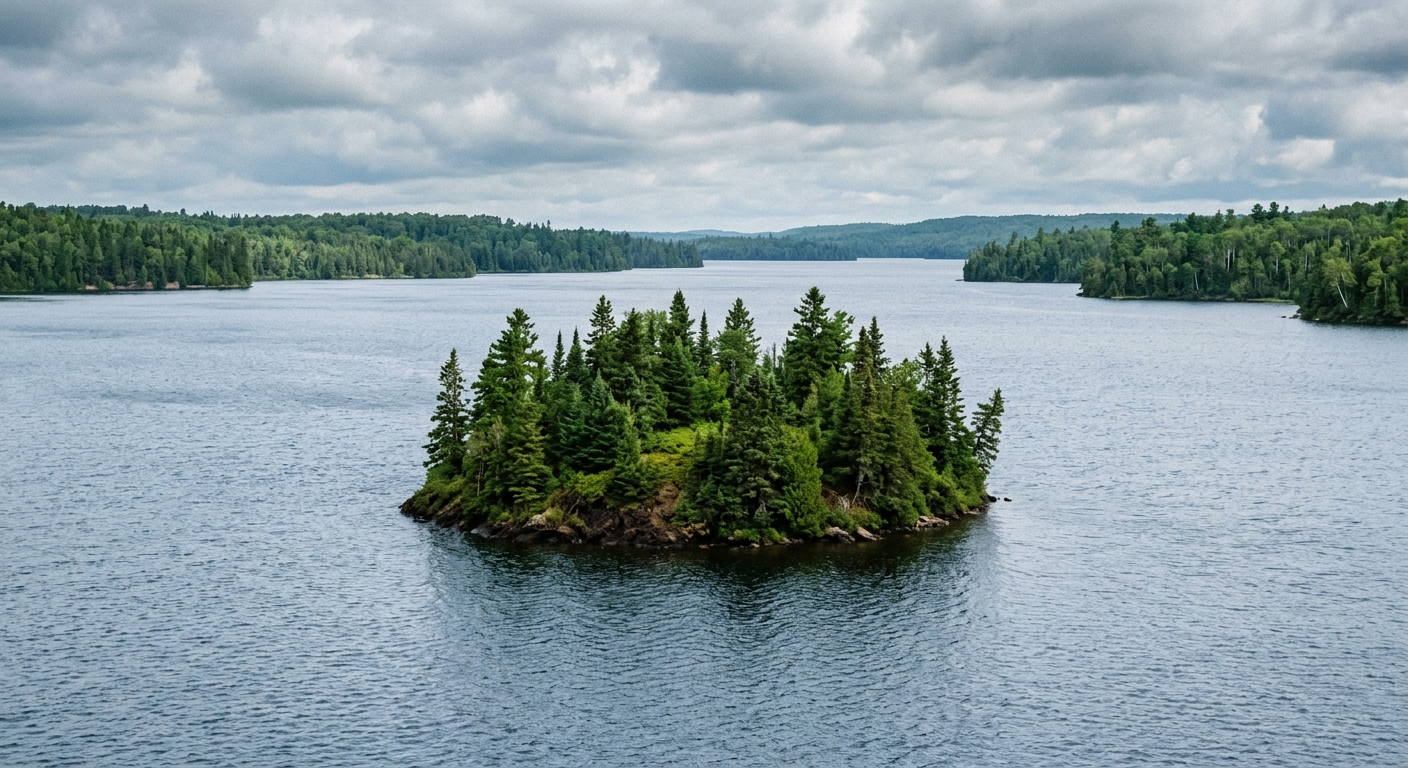
A remarkable floating island, estimated to be larger than a Canadian football field, has drawn the attention of environmental experts and residents alike, after it was spotted adrift in Williston Reservoir, far from Toronto Metro. The floating island, which reportedly travelled approximately 30 kilometres before reaching its current location, has sparked curiosity and interest among local and national communities.
Discovery and Verification by BC Hydro
BC Hydro, the province’s leading utility, confirmed the presence of the floating island near the Ospika Arm of the Williston Reservoir using advanced satellite imagery. Initial reports suggest that the island measures around 70 metres wide by 140 metres long, making it an unusual spectacle in the area. The use of satellite imagery has been instrumental in tracking the island’s path and verifying its current state.
How the Floating Island Formed
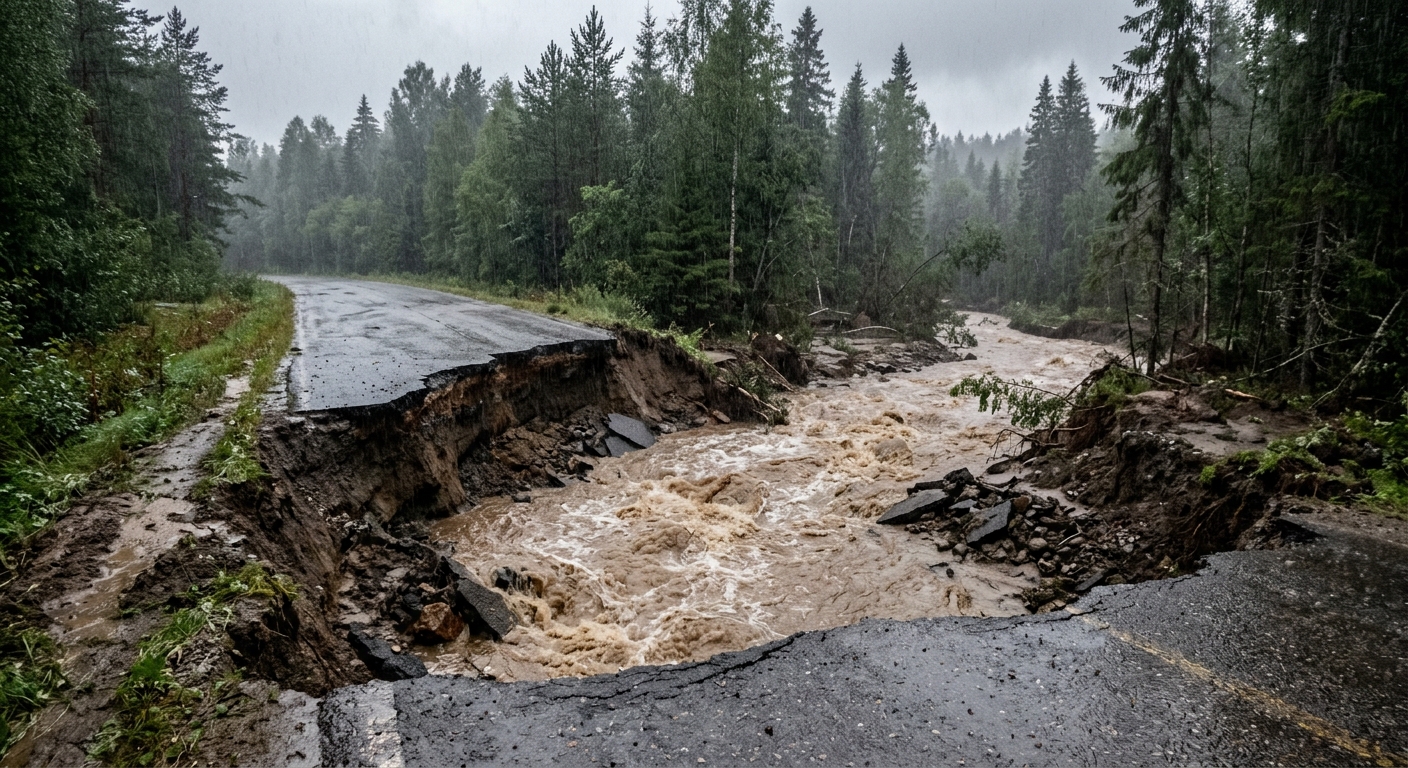
Experts believe the floating island originated as a floating wood mat composed of living trees, largely the result of severe land erosion triggered by record-high water levels and prolonged periods of strong winds. Williston Lake and its shoreline are particularly susceptible to environmental forces, with frequent landslides and wind-generated waves repeatedly undermining trees at the reservoir’s edge. Over time, such shoreline debris builds up and, under the right conditions, breaks loose to float on the water’s surface.
Rare Phenomenon Captures International Attention
The sudden emergence and movement of this floating forest has not only fascinated residents of Northern British Columbia but has also drawn the gaze of international observers. Floating islands are rare in modern reservoirs, especially those that support healthy mature trees. The ongoing island movement is being carefully observed by researchers, who note that fluctuations in weather—specifically bouts of strong winds—could propel the mass even further or cause it to fragment into smaller portions.
Safety Measures and BC Hydro’s Response
BC Hydro continues to monitor the situation, primarily using satellite imagery and on-site inspections to assess the stability of the floating island. For safety reasons, the utility has cautioned recreational boaters and local residents not to climb onto the island, citing its inherent instability. While there are currently no immediate safety threats, the unpredictable nature of floating wood mats in such vast water bodies could lead to new hazards if the island breaks apart or moves into more navigated waters.
Impact on Reservoir and Local Environment
The discovery of the floating island brings renewed focus on the environmental dynamics of large reservoirs such as Williston Lake. Regional land erosion and shoreline debris continue to shape the reservoir’s landscape, influenced heavily by weather events unique to the area. While Toronto Metro lies well outside the region, many in its academic and research communities remain keenly interested in natural phenomena like the floating forest, as they offer insights into ecosystem resilience and the effects of climate on water bodies.
Future Outlook and Ongoing Monitoring
BC Hydro has indicated that it will maintain its monitoring operations for as long as the floating island remains a fixture in Williston Reservoir. The future movement and potential impact of this island are difficult to predict without further study; however, proactive observation and caution will ensure that both local residents and visitors are kept safe. Whether the floating island will ultimately break apart or become a long-term presence in the reservoir remains to be seen, but for now, it stands as a symbol of nature’s unpredictability and the ongoing relationship between environmental forces and regional water systems.