- calendar_today July 26, 2026
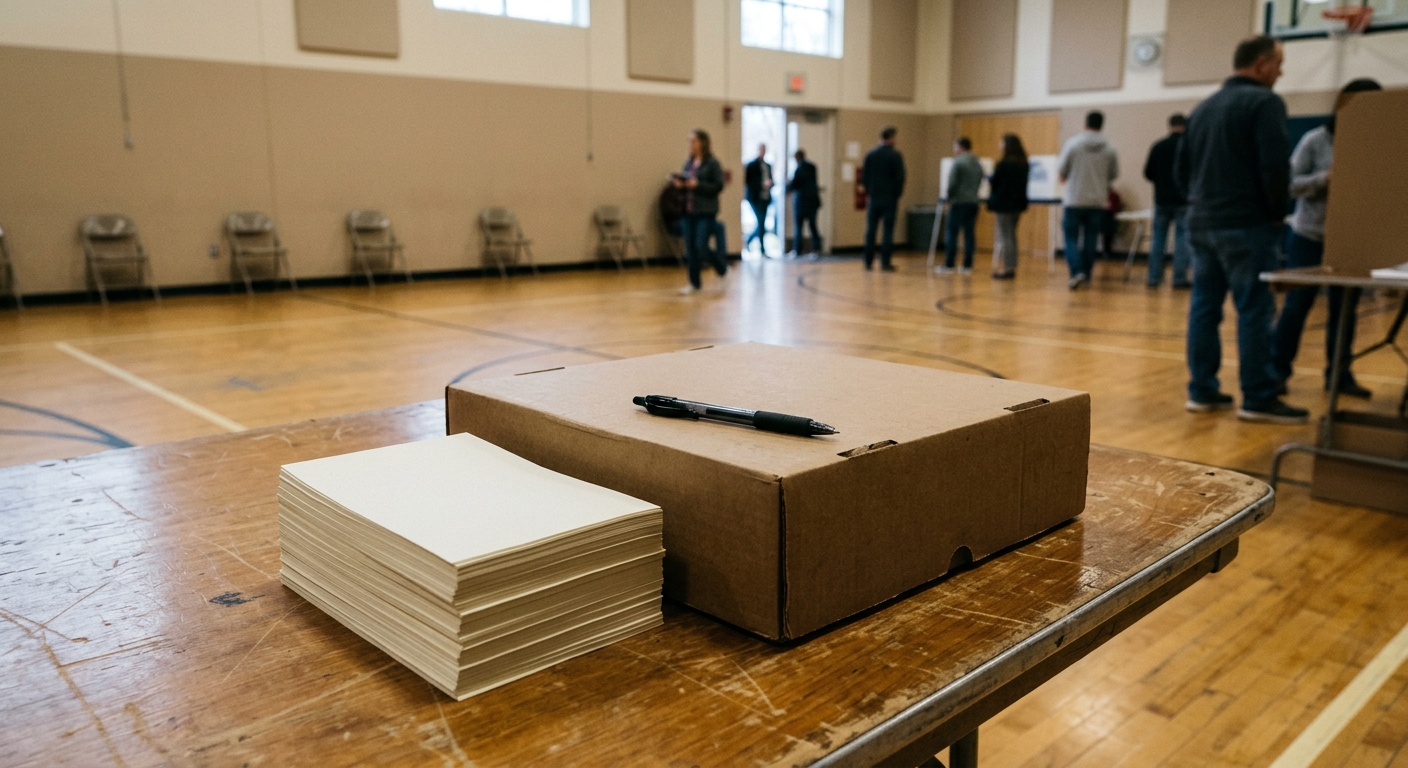
Toronto Metro—Prime Minister Mark Carney has officially called a trio of liberal byelections for August 31, 2026, a decision that places Toronto Metro and other regional communities at the center of the Canadian political spotlight. The upcoming federal byelections, scheduled for the ridings of North Vancouver–Capilano in British Columbia, Beaches-East York in Ontario, and Chicoutimi–Le Fjord in Quebec, will play a decisive role in shaping the immediate balance of power in the House of Commons.
Liberal Byelections to Determine House Control
The federal government’s majority in Parliament hangs in the balance. With the impending resignations of several Liberal MPs—including high-profile cabinet minister Steven Guilbeault—the ruling party is projected to see its seat count diminish from 171 to 170 by late September. This slim margin elevates the importance of the three liberal byelections, as maintaining a technical majority requires that the Liberal Party secure at least one of these pivotal contests.
Candidates and Vacant Ridings Highlight Regional Stakes
The current vacancies were created by the departures of Jonathan Wilkinson, Nathaniel Erskine-Smith, and Richard Martel. The Liberal Party has selected Braeden Caley for North Vancouver–Capilano, Tanveer Shahnawaz for Beaches-East York, and Daniel Gobeil for Chicoutimi–Le Fjord. Each of these regions, notably including Toronto Metro’s Beaches-East York, will closely watch the campaigns, which may influence both local representation and the national landscape.
Opposition Parties Gear Up for Challenging Campaigns
While the Liberal nominations are set, both the Conservative Party and the NDP are moving swiftly to confirm their own candidates. The opposition parties currently hold a combined 165 seats, intensifying the pressure to win over undecided voters in each riding. Success in any of these byelections would not only shift parliament seats but could add momentum to the challengers heading into the next general election.
Regional Focus: Toronto Metro’s Role
Locally, Toronto Metro’s involvement is most palpable in the Beaches-East York riding, where voters will choose who shapes their federal advocacy going forward. The race here is being scrutinized by both party strategists and Canadian politics analysts, as it could ultimately determine whether the government retains a working majority in Parliament.
National Implications for Canadian Politics
The outcome of the August 31 federal byelections will echo across the political landscape. Prime Minister Mark Carney’s government must secure at least one win to forestall the possibility of losing control over legislative priorities. As the Liberal Party seeks to reinforce its position, all eyes will be on the designated ridings, particularly in metropolitan regions such as Toronto Metro, where political engagement and turnout often set national trends.
Key Ridings in Focus: North Vancouver–Capilano and Chicoutimi–Le Fjord
Beyond Ontario’s importance, British Columbia’s North Vancouver–Capilano and Quebec’s Chicoutimi–Le Fjord also carry significant weight. The competitive nature of these constituencies ensures that campaign efforts by all parties are intensifying. Candidates and grassroots volunteers are reaching out to constituents in hopes of swaying the outcome at a critical moment for the ruling federal government.
The Road Ahead for Parliament
As August 31 approaches, Toronto Metro residents and Canadians nationwide are set to influence the future direction of the House of Commons. The liberal byelections offer pivotal opportunities for both the Liberals and opposition parties to secure the necessary parliament seats that could define the next chapter in national governance. For local communities, these votes will determine not only their immediate representation but also the stability and direction of Canada’s federal leadership.