- calendar_today August 24, 2025
As global cotton supplies tighten, Canadian textile manufacturers expect to make drastic changes to cost, supply, and sustainability this 2025.
Canada’s apparel industry starts 2025 on a new footing, one marked by falling global cotton inventories and greater wariness of trade risk. Cotton, previously considered secure and cheap raw material, is now tight and expensive to import. This phenomenon is forcing Canadian manufacturers, fashion retailers, and producers to recalculate their strategies and ready themselves for a new level of the market.
Although Canada is not a cotton-producing country, the nation depends significantly on imported cotton fabric and finished cotton products. Cotton is a commodity that goes from T-shirts to towels in ordinary commodities. But with reduced global production of cotton due to drought, climate change, and rising production costs, the impact is being experienced all over the country.
What’s Behind the Cotton Crisis
Some of the leading cotton-producing countries like India, Pakistan, and America are facing reduced production in 2024–2025. The primary reason for this is unfavorable weather, scarcity of water, and rising input costs like fertilizer and labor.
While this is all going on, demand for cotton across the globe continues to be high. Countries that are export-reliant like Bangladesh, Cambodia, and Vietnam are all looking to buy more raw cotton, and that is what is pushing prices higher and leading to delayed supplies.
Some of these nations also rely on trade arrangements like the Generalized System of Preferences Plus (GSP+), which include low tariffs and better access to international markets. Yet, if cotton-producing countries fail to meet production or trade requirements, they risk losing these benefits—adding volatility to an already volatile system.
How Does Canada Get Affected?
The majority of Canada’s cotton goods are imported. Fashion and textile production rely on inexpensive, trouble-free imports to remain viable. When raw cotton is more expensive or in shorter supply, costs rise and product levels decrease.
Buyers in large urban centers like Toronto, Montreal, and Vancouver are already paying more for basic cotton items. These include socks and blouses, as well as baby clothes and bedding.
For small and medium enterprises, the issue is worse. They mostly produce uniforms, furniture covers, and home textiles using imported cotton. When the delivery timeline goes awry or the cost shoots sky-high, production comes to a standstill and margins shrink.
Increased Trade Risks: The GSP+ Angle
Though GSP+ is an EU trading regime, Canadian apparel imports are still linked to countries reliant upon this scheme. If one of the countries supplying cotton were to have its GSP+ removed based on substandard working conditions, environmental degradation, or inadequate export standards, buying from the country becomes more expensive and complicated—even to the consumer in Canada.
Domestic firms can experience higher tariffs for imports or new source restrictions, with added cost and complexity.
Moving Toward a New Cotton Economy
Canada’s fashion business is not resting. Certain businesses are already moving their supply chains, experimenting with new fibers, and preparing for a more uncertain future. Here’s how:
1. Diversifying Alternative Materials
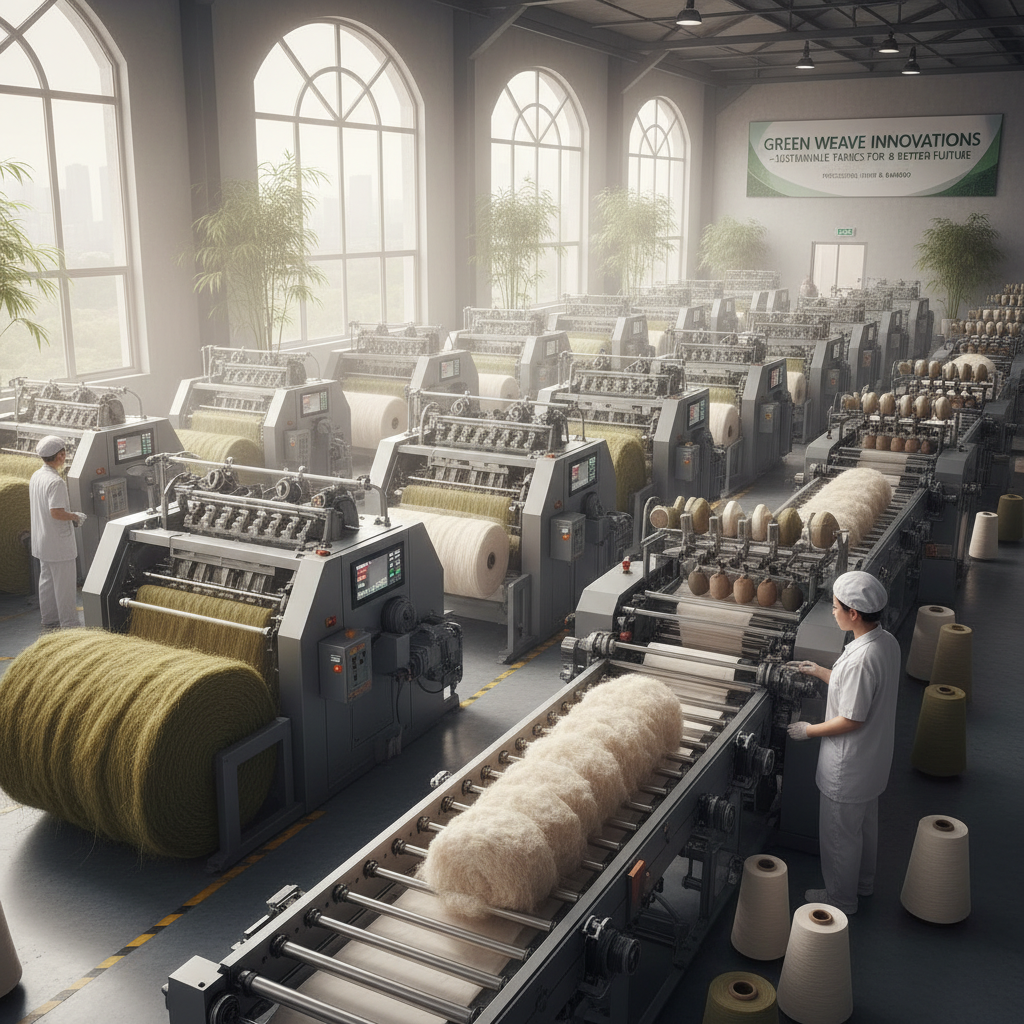
Other producers are turning to alternatives like hemp, bamboo, and recycled materials. Those alternatives are being deemed sustainable and shift towards using less traditional cotton.
2. Regional and Local Sourcing
More demand for domestic fabric sourcing and access to U.S. and South American suppliers. Not cheaper, but faster delivery and more stable trading relationships are available from local suppliers.
3. Inventory and Inventory Control
The large ones are carrying cotton merchandise and raw materials. This inventory process lets them sidestep sudden price spikes or shipment halts.
4. Tech and Sustainability Investment
New production technologies like digital weaving, artificial intelligence-based supply chain management, and water-efficient textile processing are being used more and more. They save waste, cut costs, and optimize long-term sustainability.
The Steepest Climb for Small Businesses
Big retailers can take some price increases as well as switch suppliers more easily than small firms that cannot stomach it. Standalone fashion boutiques, niche textile manufacturers, and local brands do not have the means to make quick changes.
They can use some additional assistance in the form of state trade advice, business loans, or partnerships with industry to ride out the downturn.
Shoppers Might Notice It Too
Shoppers will experience the cotton crunch as higher prices and reduced selection on store shelves. T-shirts, towels, and socks – plain old staples – may be more expensive or cotton-blend rather than all cotton.
But it also might drive a consumer buying revolution. Consumers might increasingly seek sustainable products, pay a premium for quality over quantity, and buy locally manufactured or Canadian-manufactured textile products.
A Better Future Ahead: A Smarter, More Resilient Industry
Canada’s fashion industry has its problems—serious ones. But they’re also fascinating business to evolve and remake. From eco-friendly materials to innovative sourcing models, the industry is learning how to get faster and more imaginative.
Though 2025 is questionable, the sector remains competitive. With its ability to adapt to shifts in supply, keeping a close eye on trade patterns, and sensitivity to global trends, Canada’s fabric business can ride through 2025—and emerge all the more stronger.