- calendar_today September 3, 2025
Amid plans to automate swaths of its staff, Australia’s biggest bank has had to swallow a very public U-turn. The Commonwealth Bank of Australia (CBA) is being forced to rehire 45 employees that it had previously claimed to have been replaced by artificial intelligence. The move follows an investigation by a fair work tribunal that concluded that staff had been misleadingly assured that their jobs had been made redundant by a new chatbot.
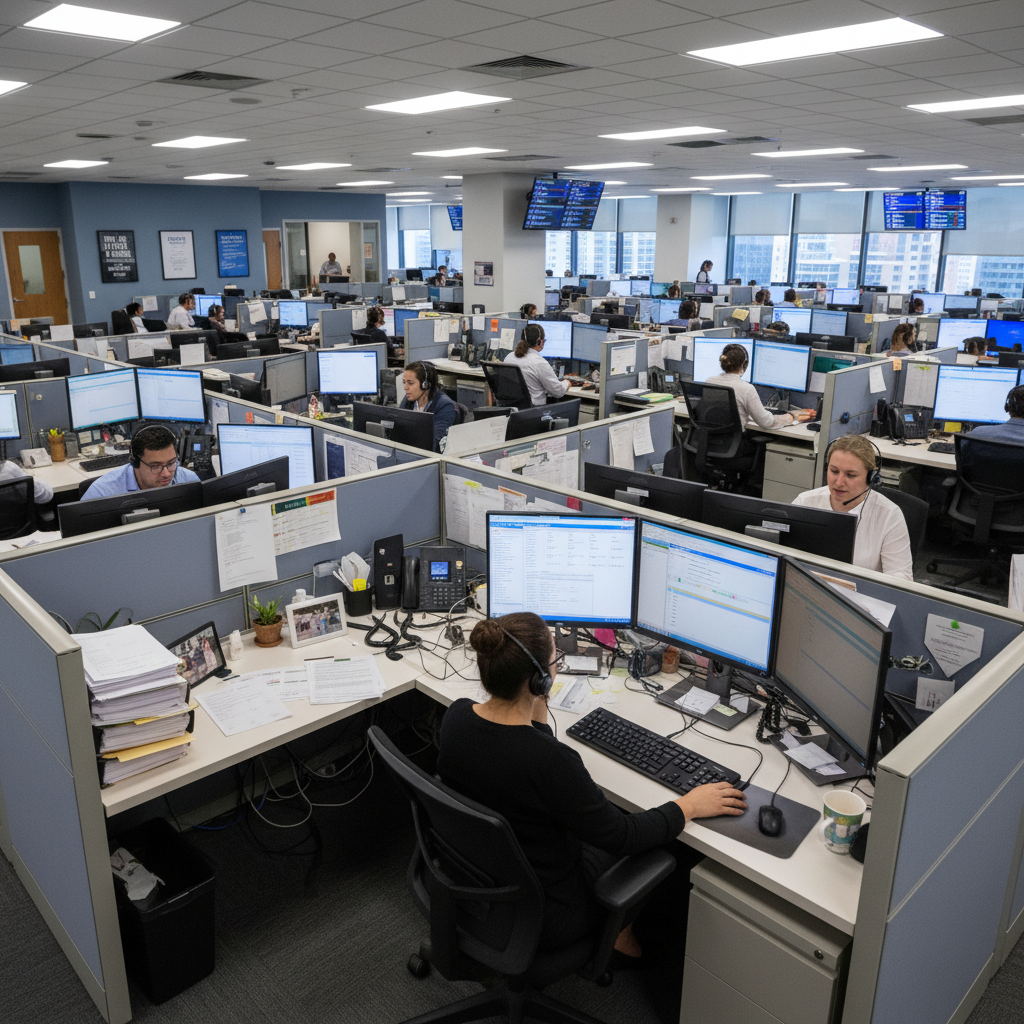
The scandal erupted when the bank told staff that their positions were no longer needed. CBA’s case was that its recently launched AI-driven “voice bot” had slashed incoming calls by some 2,000 a week. As a result, there was no longer the same need for people to perform the work. Some of the staff affected had been with the bank for decades, and this did little to cushion the blow.
Employees quickly pushed back, however, and said that the bank’s account did not match the reality they were experiencing. Instead of a reduction in calls, they reported that call volumes were actually rising at the time when they were told that their jobs were no longer necessary. In fact, management was said to have been moving to shore up staffing levels to deal with the increased demand by reallocating managers to take calls and urging people to work overtime.
The union took the bank to a fair work tribunal, which forced it to back down. The Finance Sector Union (FSU) had claimed that CBA did not explain “how it assessed that the roles were redundant”. It also alleged that the bank was in fact moving to outsource some of the roles to India, and was making the job cuts in Australia “a cover for that outsourcing”. The union pointed to CBA’s hiring of workers in India at the same time as its AI launch in Australia as evidence that this was the real intention behind the job cuts.
It emerged in the tribunal that the bank had made a critical miscalculation. When challenged by the FSU, CBA bank representatives admitted in evidence that it had failed to factor in an underlying increase in call volumes. It had only just realized that while it was making the redundancy announcement in June this year, call volumes were in fact going up. They were not going down. In fact, the rise was sustained for months after the announcement, and directly contradicted the bank’s stated case for the redundancy. “This error meant the roles were not redundant,” the bank said in evidence.
It led to a swift reversal of the decision, with the bank offering an apology to the workers who were affected and a guarantee that the 45 workers would be offered a range of options going forward. “We have apologized to the employees concerned and acknowledge we should have been more thorough in our assessment of the roles required,” the bank said in a statement to Bloomberg. The staff can either be given their old jobs back, apply for other roles at the bank, or, if they prefer, take an exit package.
The FSU has hailed the decision as a “massive win for our members,” but it has also warned that the damage is already done. Many of the staff who were made redundant, or whose positions were threatened with redundancy, spent weeks in the dark about their future with the company. Some were in the position of suddenly having to contemplate not being able to pay their bills. The FSU has argued that it is a timely warning against banks rushing into automation without thinking about the human impact.
In the same breath, CBA has not indicated that it is slowing down the pace of its AI plans. Last week, it announced a new partnership with OpenAI that it described as “taking our responsible use of AI a step further”. This partnership will focus on the development of next-generation generative AI tools that can be applied to helping the bank spot scams, preventing fraud, and offering more tailored financial products and services. CBA said that this was about a long-term investment in its staff and embedding AI’s responsible use. But many of its staff will be bracing for the next wave of cuts or U-turns with a healthy degree of skepticism.
The CBA case comes against a wider industry backdrop of dramatic change. Global banks could cut 200,000 jobs in the next three to five years, estimates Bloomberg Intelligence. Roles under threat include those in the middle and back offices, as well as operations. Banks and other financial institutions argue that AI will allow them to drive down costs and be more efficient, but there is no doubt that missteps such as this one by CBA have the potential to cause reputational damage and create distrust among staff and customers alike.
The 45 individuals at the heart of the dispute now face the decision of whether or not to return to a job they were previously told was no longer necessary. The FSU said that many of them will simply choose to walk away. It believes that it has permanently damaged trust between staff and the bank’s management. “The damage has already been done,” it said, and urged other workers to be ready for change, since it can come quickly, and no worker is safe.
The union has said that while this case has now been settled, another is ongoing. It is again going to the Fair Work Commission to argue the bank’s consultation obligations over its AI usage more generally. Whether or not this further limits the bank’s ability to push ahead with its automation plans remains to be seen. But one thing is certain. The path to automated banking won’t be as smooth as bankers initially hoped.