- calendar_today September 1, 2025
Toronto’s skyline tells one story, but its sprawling ring of industrial parks, tech campuses, and shipping depots tells another. It’s here, in the hidden arteries of the Greater Toronto Area (GTA), that Amazon.com Inc. (NASDAQ: AMZN) is quietly orchestrating one of its most concentrated Canadian expansions.
The region — home to more than 6.3 million people and a diverse network of industries — offers Amazon a rare mix of high consumer density, major transportation links, and a deep talent pool. Over the past two years, the company has been weaving a high-tech logistics web across Toronto, connecting warehouses, delivery stations, and technology hubs in a coordinated push to speed up deliveries and strengthen its marketplace.
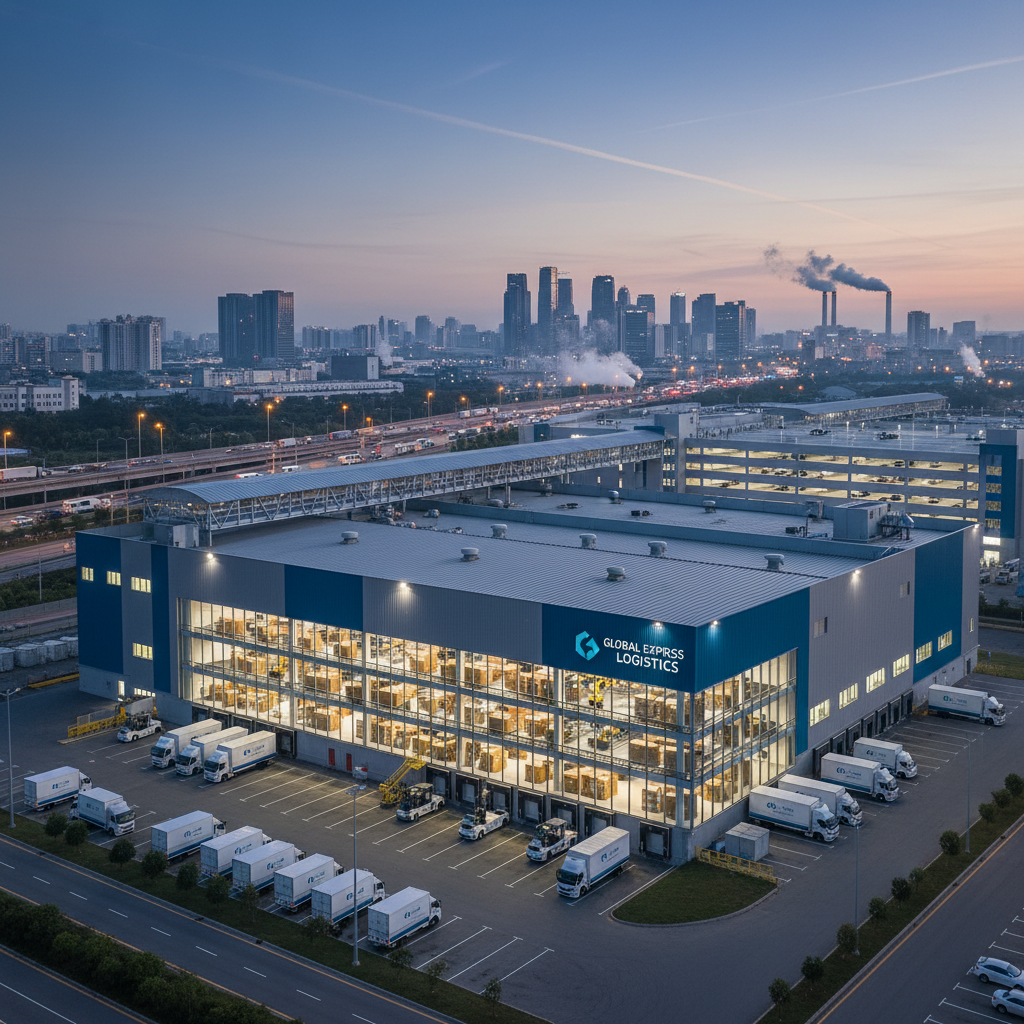
Rather than relying on a few massive fulfillment centers, Amazon has developed a multi-node system in the GTA. Larger facilities in Bolton and Milton handle bulk storage and sorting, while mid-size sites in Vaughan and Etobicoke process high-turnover products destined for rapid dispatch.
Inside these buildings, automated conveyors, vision-guided robotics, and AI inventory systems keep the flow moving. Managers track operations in real time from control rooms, adjusting workflows to match consumer demand spikes — whether triggered by seasonal sales or sudden weather-related product surges.
Last-Mile Innovation in Dense Urban Zones
Toronto’s complex traffic patterns — from the packed Don Valley Parkway to congested King Street — demand delivery solutions beyond the traditional van fleet. Amazon is piloting electric cargo vans, compact city trucks, and even pedestrian courier teams equipped with AI-optimized route maps.
In downtown cores, new micro-hubs allow for ultra-fast turnaround, with packages arriving in the morning and reaching customers before the day’s end. Several of these hubs operate from repurposed warehouse space near Union Station and along the lakeshore, where proximity to major transit corridors accelerates the last-mile process.
Leveraging Toronto’s International Gateways
Amazon’s GTA network is tightly linked to Pearson International Airport and the Port of Toronto. This gives the company a dual advantage: rapid air cargo movement for high-value or time-sensitive goods, and cost-effective container shipments for bulk inventory.
Specialized import/export teams in Mississauga handle customs processing, ensuring that marketplace sellers — from Toronto fashion designers to small electronics manufacturers — can fulfill cross-border orders without delays.
Boosting Local Business Reach
One of Amazon’s most aggressive initiatives in Toronto Metro has been its seller export programs. Through tailored training and platform optimization, small businesses in areas like Liberty Village and North York are learning how to expand beyond domestic sales.
Case studies promoted by Amazon highlight independent retailers who have doubled revenue by selling to U.S., European, and Asian customers, using the company’s fulfillment network as both a storage and delivery engine.
Expanding the Tech Hub
Toronto’s status as a North American tech center has not gone unnoticed. Amazon’s downtown Tech Hub has expanded its office footprint to accommodate growing teams in cloud computing, machine learning, and retail technology. Many of these innovations — such as AI-powered demand forecasting and automated product categorization — are first developed here before being rolled out across North America.
Recruitment efforts are targeting both recent graduates from the University of Toronto and seasoned engineers from established GTA tech firms, offering competitive packages and hybrid work options.
Sustainability Commitments in the GTA
Amazon’s climate pledge goals are visible in Toronto’s operations. Delivery vehicles are increasingly electric, with charging stations being built into the infrastructure of new facilities. In suburban locations like Richmond Hill, rooftop solar arrays are being installed to supplement power needs.
Partnerships with local environmental groups are exploring greener packaging solutions, with a pilot program in Scarborough testing reusable delivery bags for select product categories.
Workforce Development and Community Engagement
Beyond hiring for logistics and tech roles, Amazon is partnering with GTA colleges to provide certification programs in supply chain analytics, robotics maintenance, and cloud services.
Community engagement efforts include support for food banks, STEM education sponsorships, and targeted donations to neighborhoods adjacent to major distribution centers, helping to balance industrial growth with social investment.
Toronto’s Strategic Role in Amazon’s National Network
Amazon’s approach to the GTA signals a broader shift in how it views Canadian urban markets: not as singular hubs, but as interconnected systems of logistics, commerce, and technology. Toronto’s infrastructure, diversity, and location give it a unique role as both a testing ground for innovations and a central link in the company’s national supply chain.
As consumer expectations for speed and convenience continue to rise, Amazon’s deepening presence in Toronto Metro suggests that the city’s role in shaping the future of Canadian e-commerce will only grow stronger.