- calendar_today July 28, 2026
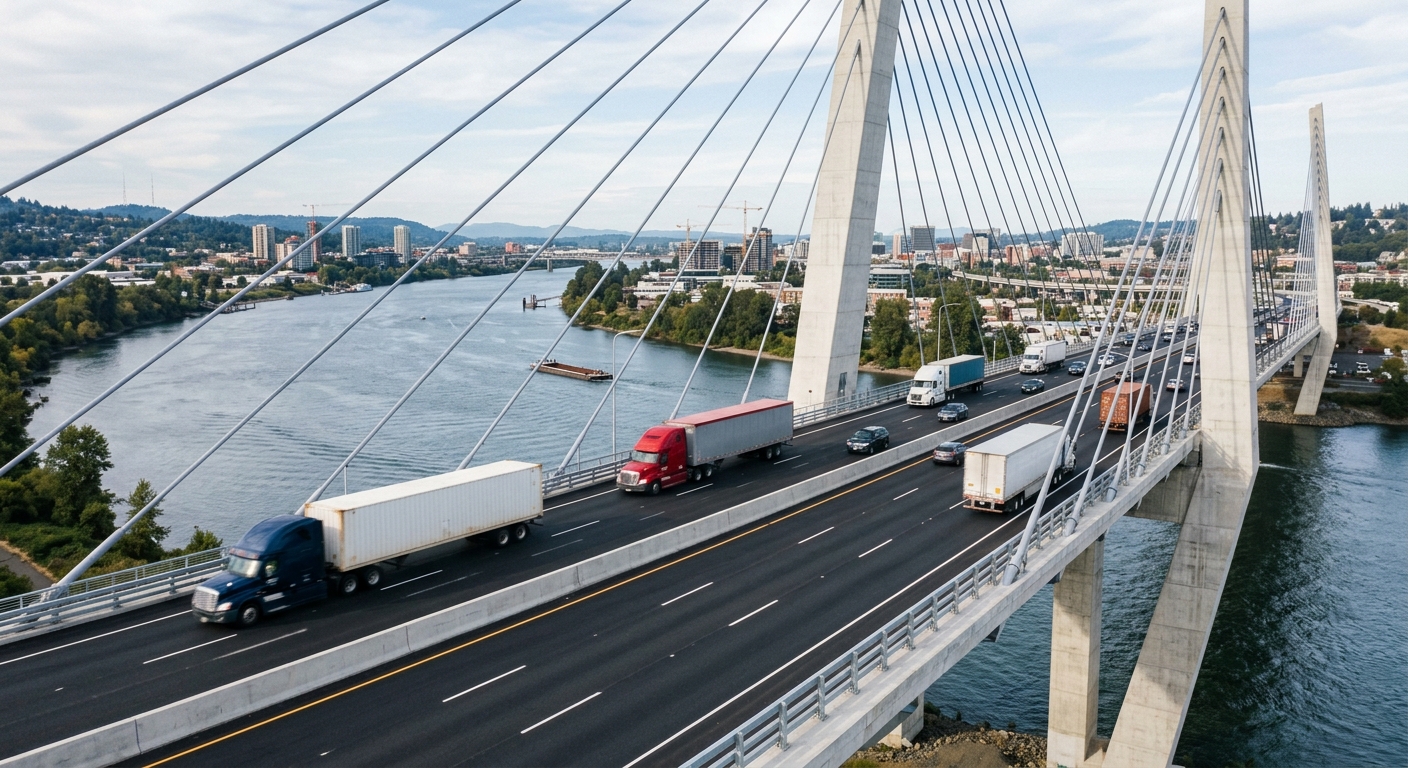
The much-anticipated Gordie Howe Bridge, linking Windsor, Ontario, with Detroit, Michigan, marked a transformative milestone for the Toronto Metro region and beyond when it officially opened in July 2026. With its modern infrastructure, the gordie howe bridge is already reshaping cross border trade dynamics in one of North America’s busiest corridors, promising more efficient freight movement and improved economic prospects for both Canada and the United States.
Advanced Features Cater to Modern Transport Needs
At six lanes wide, the gordie howe bridge is designed to handle growing volumes of truck traffic flow and passenger vehicles. New customs inspections using advanced X-ray imaging allow for rapid processing, minimizing bottlenecks and ensuring goods move swiftly. These enhancements support both commercial carriers and cross-border travelers, who have long contended with congestion and outdated facilities at the ambassador bridge, the main alternative since 1929.
Competitive Truck Toll Rates Offer Immediate Relief
One clear advantage attracting industry attention is the significantly reduced truck toll rates compared with the ambassador bridge. For Toronto Metro logistics firms and transport trucking companies, these cost savings, paired with faster clearances, contribute to a projected annual reduction of up to 850,000 hours spent in delays. These operational efficiencies could entice carriers to redirect their networks through the new crossing.
Diesel Fuel Prices and the Consumer Impact
Despite these operational improvements, industry experts caution that external market forces such as high diesel fuel prices continue to erode potential cost savings. While the gordie howe bridge’s enhancements are expected to reduce overall fuel consumption by cutting down stop-and-go traffic, trucking companies are facing persistent pressures from elevated input costs and tariff uncertainties.
How Customs Inspections Shape Cross-Border Trade
The bridge’s high-tech customs inspection infrastructure marks a significant step forward for cross border trade security and efficiency. Portable and fixed X-ray bays enable thorough yet rapid checks, which are vital for compliance at the canada us border. This technology should particularly benefit commercial carriers moving large volumes of critical goods and sensitive equipment, a frequent scenario for Toronto Metro-based exporters and importers.
Freight Efficiency and Regional Economic Prospects
By increasing freight efficiency and reducing administrative slowdowns, the gordie howe bridge is widely regarded as a stimulant for job creation and local business growth. Coupled with improved truck traffic flow, analysts believe the bridge will cement Toronto Metro’s position as a hub for North American trade. These benefits are especially relevant given current geopolitical tensions and ongoing adjustments to international tariff regimes.
Transport Trucking Adapts to New Realities
Transport trucking companies, particularly those operating out of Toronto Metro, are reevaluating routes and schedules to capitalize on the new crossing. Yet, even as competitive toll rates and streamlined customs boost carrier profitability, industry leaders underscore that immediate reductions in retail prices for end consumers remain unlikely until broader economic pressures—including diesel fuel prices—ease.
Looking Ahead: The Long-Term Impact on the Canada-US Border
While the gordie howe bridge is not an instant fix for all challenges facing North American supply chains, its state-of-the-art design and focus on efficient cross border trade signal a promising outlook. Local chambers of commerce and regional trade groups are closely monitoring the bridge’s impact, anticipating incremental gains for Toronto Metro in freight efficiency, job creation, and international commerce.